
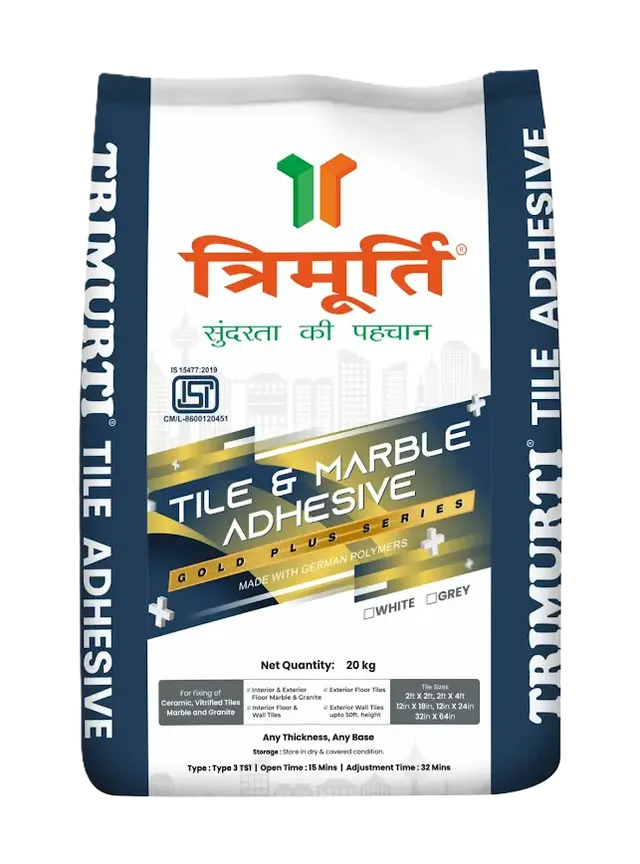
Tiling is no longer limited to basic flooring or bathroom applications; contemporary projects use tiles across kitchens, feature walls, façades, workspaces, retail interiors, and hospitality environments. Wall tile adhesive has become an increasingly important part of modern construction as designers and contractors look for cleaner, more reliable ways to install tiles across residential and commercial spaces. As surfaces and tile formats continue to evolve, the material holding everything together matters just as much as the tile itself. A dependable adhesive system can influence installation efficiency, surface compatibility, and the quality of the finished space.
The Material Behind the Surface
Tiles may provide the visible character of a space, but their performance depends heavily on what sits underneath them. Traditional installation methods often relied on cement-based approaches that required careful preparation and application. Modern adhesive solutions have introduced greater flexibility into the process, particularly as tile designs, dimensions, and substrates have become more varied. This has encouraged professionals to think about tile installation as a complete system rather than simply placing tiles onto a prepared wall.
The choice of adhesive can affect how effectively a tile bonds with the substrate and how well the installation accommodates the specific requirements of a project. Different surfaces may present different challenges, including variations in porosity, moisture exposure, temperature, and movement. Selecting an appropriate product therefore requires more than choosing an adhesive based on familiarity. The substrate, tile type, location, and intended application all need to be considered before installation begins.
Why Tile Installation Is Becoming More Demanding
The modern construction industry has changed the expectations placed on tiled surfaces. Large-format tiles, decorative finishes, textured surfaces, and contemporary interior designs have become increasingly common. These materials can create striking spaces, but they may also require greater attention during installation. A product that works effectively for one type of tile or surface may not necessarily be suitable for another.
This is why wall tile adhesive selection has become an important technical consideration for contractors and installers. Adhesive performance needs to correspond with the requirements of the installation environment. Interior walls, wet areas, kitchens, commercial spaces, and other applications may involve different exposure conditions. A more considered approach helps installers select products based on the actual demands of the surface rather than treating every tiling project in exactly the same way.
Moving Beyond the Cheapest Material
Price naturally influences construction decisions, particularly when projects involve large quantities of materials. However, the cheapest product at the purchasing stage may not always represent the most economical choice across the entire installation. Poor compatibility, excessive wastage, difficult application, or the need for repairs can create additional costs after the initial material has already been purchased.
This is where evaluating the best tile adhesive in India requires more than comparing price tags. Professionals may consider factors such as bonding performance, application requirements, substrate compatibility, product consistency, and suitability for the intended tile. Availability and technical information can also influence purchasing decisions, especially for contractors working on multiple projects. A product that integrates well into the installation process can contribute to a more predictable workflow and reduce avoidable complications.
The Substrate Still Matters
Even a well-formulated adhesive cannot compensate for an unsuitable or poorly prepared surface. Dust, loose particles, uneven areas, moisture, and other surface conditions can affect installation quality. Preparing the substrate correctly is therefore one of the most important stages of any tiling project. Before applying an adhesive, installers need to understand the condition of the surface and follow the preparation requirements associated with the selected product.
Surface preparation also demonstrates why adhesives should not be viewed in isolation. A successful tiled installation depends on the relationship between the substrate, adhesive, tile, and application technique. If one part of the system is unsuitable, the final result may be compromised. Taking time to assess the surface before installation can therefore help professionals avoid problems that become considerably more difficult and expensive to correct after the tiles are in place.
Where Better Adhesion Supports Better Design
Modern interiors increasingly use tiles as design elements rather than simply practical coverings. Feature walls, decorative panels, textured surfaces, stone-look finishes, and statement patterns can completely change the character of a room. This makes installation quality particularly important because an uneven or inconsistent application can undermine an otherwise carefully designed space.
Reliable adhesion supports the visual objective by helping tiles remain properly positioned and aligned during installation. For designers and contractors, this creates greater confidence when working with contemporary materials and finishes. The adhesive itself may never be noticed once the project is complete, but its role is reflected in the quality of the finished surface. In this sense, an adhesive is not merely a construction material; it is part of the foundation that allows the design concept to be executed successfully.
The Growing Role of Wall-Care Systems
Tile installation is only one part of achieving a refined interior finish. Walls may require preparation, repair, levelling, smoothing, waterproofing, or other treatments before decorative materials are installed. This has led to a broader interest in integrated wall care products that support different stages of surface preparation and finishing.
A coordinated approach can make it easier for professionals to understand how different materials work together. Instead of treating every construction product as an independent purchase, contractors can consider the complete wall system and determine which solutions are appropriate for each stage. This can help create greater consistency across projects while also making material selection more structured. The goal is not simply to add more products, but to select the right products for the conditions in which they will be used.
Efficiency Is Becoming a Competitive Advantage
Construction schedules leave little room for unnecessary delays. When materials are difficult to handle, require excessive preparation, or create inconsistent results, they can affect labour productivity and project timelines. Adhesive solutions that are easier to work with and suited to the intended application can therefore contribute to a more efficient installation process.
For contractors, this efficiency can become particularly important when working across multiple rooms or large commercial developments. Repeated tasks multiply the impact of small inefficiencies, making product selection a practical business decision as well as a technical one. Evaluating wall tile adhesive in terms of application, coverage, compatibility, and overall workflow can help project teams make choices that support both installation quality and productivity.
What Professionals Should Look for in an Adhesive
There is no single adhesive that is automatically appropriate for every tiling application. Professionals need to consider the tile material, size, substrate, location, environmental exposure, and manufacturer's recommendations before selecting a product. The intended application should always guide the decision rather than relying on a generic assumption that one adhesive can handle every situation.
Product information also matters. Clear instructions, consistent formulation, suitable packaging, technical specifications, and reliable availability can make a difference during project execution. For contractors, these details can help reduce uncertainty and make installation planning more predictable. The strongest material strategy is therefore one that connects product characteristics with the specific demands of the project.
The Future of Tiling Is About the Whole System
As construction materials continue to evolve, the role of adhesives will become increasingly connected to the broader installation system. New tile formats and surface materials will continue to create different requirements, while architects and designers will keep pushing the boundaries of interior finishes. This means installers will need to think beyond the visible tile and pay greater attention to what enables that finish to perform effectively.
The same principle applies to evaluating the best tile adhesive in India. Instead of searching for a universal product, professionals can focus on identifying a solution that matches their particular application. Performance, compatibility, ease of use, technical guidance, and project requirements all form part of that decision. This approach creates a more practical way to evaluate materials while keeping the final installation at the centre of the process.
Stronger Foundations for Better Finishes
A beautifully tiled wall is the result of more than an attractive tile. It depends on the condition of the substrate, the suitability of the adhesive, the installation technique, and the attention given to each stage of the process. As modern construction becomes more design-focused and technically demanding, these supporting materials are becoming increasingly important.
Trimurti Products brings together solutions for construction, surface preparation, and wall finishing, helping professionals approach different stages of a project with greater attention to material suitability. For those evaluating wall tile adhesive and related wall-care solutions, the focus can remain on the complete installation rather than one isolated product. After all, the strongest finishes begin with the materials that remain hidden beneath them.